
Drug charge Defense Lawyer Mississippi
Charged with a Drug Offense in MS? Don't Gamble, Call Campbell. Call us for a Free Consultation About Your Case Today at 662-537-4921.
Being charged with a drug crime in Mississippi is one of the most serious situations you can face. The consequences of a conviction can follow you for life, with steep fines, lengthy prison sentences, and a permanent criminal record. At Campbell Law, our attorneys understand how overwhelming it can feel when your freedom, reputation, and future are on the line. Our firm has successfully defended clients in Northern Mississippi and across the state who were accused of everything from simple possession to large-scale trafficking. If you need a drug defense lawyer Mississippi trusts, Campbell Law is ready to fight for you.
Why Choose Campbell Law for Drug Crimes in Mississippi
Drug charges are prosecuted aggressively in Mississippi. Local law enforcement and prosecutors often push for harsh sentences, particularly in felony drug cases. Campbell Law has built its reputation on standing up for individuals in these difficult circumstances. We have defended countless clients charged with drug crimes in Lee, Lafayette, DeSoto, Grenada, Washington Counties, and throughout the state. With our knowledge of Mississippi statutes, courtroom procedures, and proven defense strategies, we can provide the representation you need to protect your rights.
Common Types of Drug Charges in Mississippi
Mississippi law covers a wide range of drug-related offenses, and each one carries unique penalties. Some of the most common charges our clients face include:
Drug Possession
Possession of illegal substances like marijuana, cocaine, methamphetamine, heroin, or unauthorized prescription drugs is one of the most common drug charges in Mississippi. Even small amounts can result in serious penalties. Possession with intent to distribute can escalate the offense into a felony.
Drug Trafficking
Drug trafficking charges involve allegations of transporting, distributing, or selling controlled substances. Trafficking charges usually carry some of the harshest sentences under Mississippi law, often involving mandatory prison time.
Prescription Drug Fraud
Prescription drug crimes are on the rise in Mississippi. These cases often involve opioids, painkillers, or ADHD medications obtained without a valid prescription. Charges may include doctor shopping, forged prescriptions, or illegal distribution.
Marijuana Crimes
Despite growing acceptance in other states, marijuana remains tightly regulated in Mississippi. While small amounts may be charged as misdemeanors, larger quantities or intent to distribute can lead to felony convictions.
Possession of Drug Paraphernalia
Even if you are not caught with drugs, possession of items like pipes, syringes, or scales can result in charges for possession of drug paraphernalia. These cases may seem minor, but they can still affect your record.

Mississippi Drug Laws and Statutes
Mississippi classifies drugs under controlled substance schedules, similar to federal law. Penalties are determined by the type of drug, the amount involved, and whether you have prior convictions.
-
Mississippi Code § 41-29-139: Governs unlawful possession of controlled substances, including penalties based on drug type and amount.
-
Mississippi Code § 41-29-147: Covers penalties for subsequent offenses, often doubling the sentence for second or later convictions.
-
Mississippi Code § 41-29-313: Relates to possession of precursors with intent to manufacture controlled substances, often tied to methamphetamine cases.
Understanding these statutes is critical to building an effective defense, and Campbell Law has deep experience navigating them.
Contact The Law Offices of Jason Campbell, Esq. Now
Schedule a consultation today with Jason Campbell and let him fight for you and protect your rights.
Call 662-537-4921 or click below to fill out a short contact form.
Penalties for Drug Crimes in Mississippi
Penalties for drug crimes in Mississippi vary based on the type and amount of drug, as well as prior convictions:
-
Misdemeanor drug possession: Up to 6 months in jail and fines up to $1,000.
-
Felony drug possession: Years in prison and fines reaching tens of thousands of dollars.
-
Drug trafficking: Sentences can exceed 30 years, often with mandatory minimum prison terms.
-
Prescription drug offenses: May result in felony charges, prison time, and permanent record consequences.

First-Time vs. Repeat Offenses
Mississippi law treats repeat drug offenders harshly. While first-time offenders may qualify for diversion programs, probation, or treatment options, second or subsequent convictions often result in mandatory prison time. Under Mississippi Code § 41-29-147, penalties may be doubled for repeat offenders. Campbell Law carefully examines whether clients are eligible for first-offender treatment programs and fights to avoid enhancements that increase sentencing.
Marijuana and Cannabis Charges in Mississippi
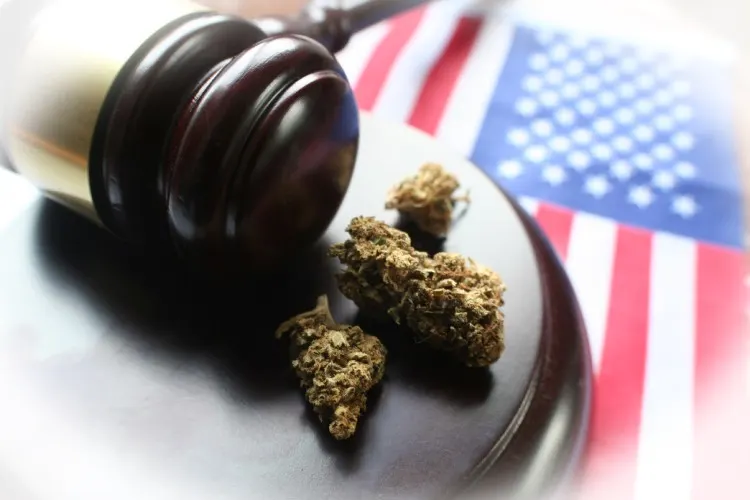
Even as many states move toward legalization, Mississippi continues to impose strict criminal penalties for marijuana. While limited medical marijuana use is legal under state-regulated programs, recreational possession, use, and distribution of marijuana remain criminal offenses. This includes traditional cannabis (joints, blunts, flower), as well as oils, concentrates, and edibles.
A first offense for possession of small amounts of marijuana (under 30 grams) may be treated as a misdemeanor, carrying fines up to $250. However, repeat offenses or possession in larger quantities can escalate quickly into felony charges, exposing you to thousands of dollars in fines and significant jail or prison time. Marijuana edibles, oils, and concentrates are often treated more severely due to higher THC content.
Trafficking or distribution of marijuana is charged when police allege that the amount of cannabis exceeds personal use or when packaging, scales, or other evidence suggests intent to distribute. Felony marijuana trafficking charges can result in years of incarceration, especially if more than 250 grams are involved.
At Campbell Law, we know how to defend against marijuana charges by challenging illegal searches, questioning lab results, and arguing lack of intent. We’ve helped clients across Northern Mississippi avoid life-changing penalties tied to marijuana accusations.
Cocaine Charges in Mississippi
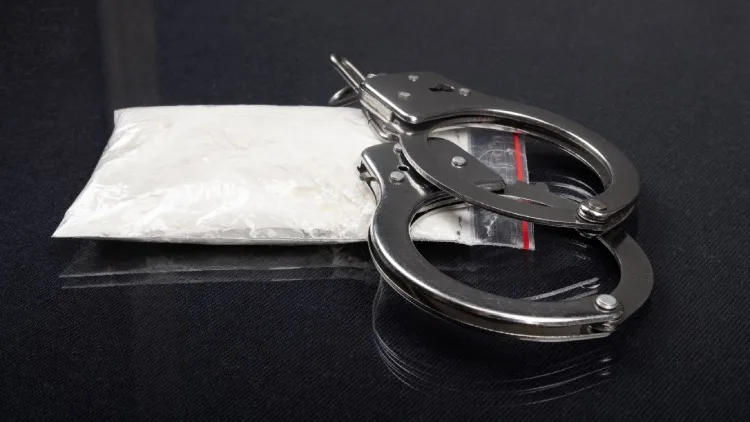
Cocaine is classified as a Schedule II controlled substance under Mississippi law, meaning it has recognized medical use but carries a high risk of abuse. The state prosecutes cocaine offenses aggressively, with penalties escalating based on the amount involved and prior convictions.
Possession of even a small amount of cocaine can result in felony charges. For example, possession of less than 0.1 grams may still carry up to 3 years in prison. Larger amounts can lead to trafficking charges, which often come with mandatory minimum sentences of 10 years or more.
Distribution or intent to distribute cocaine is treated even more severely. Prosecutors often attempt to prove intent by citing baggies, digital scales, cash, or other indicators. Even if you possessed cocaine for personal use, the state may pursue distribution charges if it believes evidence supports that theory.
Campbell Law frequently defends cocaine cases by challenging whether the search was lawful, questioning chain of custody, and pushing back against assumptions about intent to distribute. We understand the nuances of Mississippi cocaine law and use every available strategy to protect our clients.
Methamphetamine Charges in Mississippi
Methamphetamine is one of the most heavily prosecuted drugs in Mississippi, and meth charges are among the most severe drug crimes in the state. Mississippi Code § 41-29-313 specifically targets meth-related crimes, including possession of precursor chemicals used in meth production.
Possession of meth, even in small amounts, can be a felony. First-time offenders may face several years in prison, while larger quantities can trigger trafficking charges with mandatory minimums. Manufacturing meth carries some of the harshest penalties in Mississippi law, often decades in prison.
Distribution charges arise when prosecutors allege that meth was intended for sale. In these cases, police often rely on circumstantial evidence like packaging or large amounts of cash. Repeat meth offenses can result in doubled penalties under Mississippi Code § 41-29-147.
Campbell Law has defended many methamphetamine cases, from possession to large-scale manufacturing allegations. We analyze whether law enforcement conducted illegal searches, mishandled chemical evidence, or overstepped constitutional protections.
Fentanyl Charges in Mississippi
Fentanyl has become a major focus of law enforcement in Mississippi due to its potency and ties to the opioid crisis. Classified as a Schedule II controlled substance, fentanyl is exponentially more powerful than morphine, and even trace amounts can lead to overdose.
Possession of fentanyl, even for first-time offenders, is usually charged as a felony. Distribution or trafficking carries extremely severe penalties, with long prison sentences and high fines. Prosecutors may argue intent to distribute if fentanyl is packaged in multiple doses or if other indicators of sale are found.
Because fentanyl is often mixed with other drugs like heroin or counterfeit pills, charges can also include allegations of possession of a mixture of controlled substances. This complicates cases and increases potential sentencing exposure.
At Campbell Law, we recognize the unique challenges of fentanyl cases. We challenge forensic testing, investigate chain of custody, and push back against exaggerated charges. Our experience in Northern Mississippi courts allows us to craft strong defenses for those accused of fentanyl-related crimes.
Prescription Drug Offenses in Mississippi
Prescription drug charges are increasingly common across Mississippi. Medications such as opioids (OxyContin, hydrocodone), benzodiazepines (Xanax, Valium), and stimulants (Adderall, Ritalin) are frequently misused or obtained illegally.
Possession of prescription medication without a valid prescription can result in misdemeanor or felony charges depending on the drug schedule and amount. Even sharing prescription pills with a friend is considered distribution under Mississippi law.
Doctor shopping, prescription forgery, and fraudulent acquisition of prescriptions may lead to additional charges. Distribution or trafficking of prescription drugs carries severe penalties, often similar to those for cocaine or methamphetamine.
Campbell Law understands that many prescription drug cases involve individuals struggling with legitimate medical or addiction issues. We work to secure alternatives to incarceration, such as treatment-based programs, while also challenging the state’s evidence when appropriate.

Defending Against Drug Distribution and Trafficking Charges
Whether the charge involves marijuana, cocaine, methamphetamine, fentanyl, or prescription drugs, distribution and trafficking charges are among the most serious drug crimes in Mississippi. Trafficking usually involves larger quantities and often comes with mandatory prison time. Distribution charges can be filed even if no sale occurred, based solely on circumstantial evidence.
First-time offenders may face some opportunities for alternative sentencing, but repeat offenses or large quantities nearly always result in felony convictions with life-changing penalties. Prosecutors are often aggressive in these cases, but Campbell Law fights just as aggressively to protect our clients.
We have defended countless individuals accused of distribution and trafficking by challenging unlawful searches, disputing claims of intent, and exposing weaknesses in the state’s case. Our attorneys know how to negotiate with prosecutors when appropriate and take cases to trial when necessary.
Consequences of a Drug Conviction
A drug conviction in Mississippi carries consequences beyond jail and fines. These include:
-
Permanent criminal record
-
Loss of employment or difficulty finding a job
-
Ineligibility for certain housing opportunities
-
Revocation of professional licenses
-
Suspension of driver’s license in certain cases
-
Harsher penalties for future offenses
Campbell Law recognizes how life-changing these consequences can be and works tirelessly to prevent them.
Possible Defenses Against Drug Charges
Every drug case is unique, but our firm commonly employs several defense strategies:
-
Challenging illegal searches and seizures under the Fourth Amendment
-
Questioning the validity of search warrants
-
Examining chain of custody for seized drugs
-
Proving lack of knowledge or intent
-
Demonstrating entrapment in undercover cases
-
Highlighting errors in lab testing or analysis
Our attorneys investigate every angle of your case to create the strongest defense possible.
Campbell Law’s Record of Success in Drug Cases
Campbell Law has successfully defended clients against drug charges throughout Northern Mississippi. We have secured dismissals, reduced charges, and favorable plea agreements in cases ranging from misdemeanor marijuana possession to large-scale trafficking allegations. We know how to push back against aggressive prosecution and present strong defenses in front of judges and juries.
Service Areas for drug defense services
Campbell Law proudly serves clients charged with drug crimes in Lee, Lafayette, DeSoto, Grenada, Washington Counties, and all of Northern Mississippi. No matter where your case arises, we can provide the representation you need.
Frequently Asked Questions About Drug crimes in Mississippi
1. What should I do if I am arrested for a drug crime in Mississippi?
Remain calm, exercise your right to remain silent, and contact a criminal defense lawyer immediately.
2. Can I be charged with possession if the drugs were not mine?
Possibly. Prosecutors must prove knowledge and control, which our attorneys can challenge.
3. Is marijuana legal in Mississippi?
Medical marijuana is allowed in limited circumstances, but recreational use remains illegal.
4. What is considered drug trafficking in Mississippi?
Large quantities, packaging, or intent to distribute can elevate a possession charge to trafficking.
5. Will I go to jail for a first-time drug offense?
Not always. Diversion, probation, or treatment programs may be options for first offenders.
6. What happens if I am caught with prescription drugs without a prescription?
You can face felony charges, even for small amounts.
7. Can police search my car without a warrant if they suspect drugs?
It depends. They may search under certain exceptions, but illegal searches can be challenged.
8. How severe are penalties for methamphetamine possession?
Methamphetamine charges are often felonies with serious prison terms, especially for large amounts.
9. What is a diversion program in Mississippi?
It allows first-time offenders to complete requirements such as treatment to avoid a conviction.
10. Can drug convictions be expunged in Mississippi?
Some non-violent drug convictions may be eligible, depending on the circumstances.
11. What is constructive possession of drugs?
It means you had access or control over drugs even if they were not physically on you.
12. How do prior convictions affect new drug charges?
Penalties can double under Mississippi law for repeat offenders.
13. Can I face federal drug charges in Mississippi?
Yes, certain cases involving large quantities or interstate activity can lead to federal prosecution.
14. How can Campbell Law help with my case?
We investigate thoroughly, challenge evidence, and build the strongest defense possible.
15. How do I contact Campbell Law for help?
Call Campbell Law today at 662-537-4921 for a confidential consultation.
