
You’re pulled over on Highway 61 outside of Grenada, or maybe you’re leaving a restaurant in Tupelo, and a police officer suspects you’ve been drinking. They ask you to blow into a breathalyzer device. In that moment, everything you’ve heard about your rights comes flooding back. Can you refuse? What happens if you do? Will refusing make things worse or better for your case?
The answer is complicated because Mississippi’s implied consent law creates a situation where technically you can refuse, but refusing comes with immediate, automatic consequences that are entirely separate from any criminal charges. Understanding the difference between an administrative license suspension and criminal charges is crucial to making the right decision in that moment, and it’s exactly why having access to a knowledgeable Mississippi DUI defense lawyer before you need one can be invaluable.
Here’s what you actually need to know about refusing a breathalyzer test in Mississippi, what really happens when you say no, and how it affects your case.
What Is Implied Consent in Mississippi?
Mississippi’s implied consent law means that by operating a vehicle on public roads, you’ve automatically given your consent to be tested for alcohol and drug content if law enforcement suspects you of driving under the influence. You didn’t sign anything. You don’t have to verbally agree. Simply having a driver’s license in Mississippi implies that you accept this condition.
This is the foundational concept that makes refusing a breathalyzer test complicated. You have a right to refuse the test. Police cannot physically force you to blow into a breathalyzer device. But that refusal doesn’t erase the implied consent law. Instead, it triggers a specific set of consequences that happen automatically and immediately.
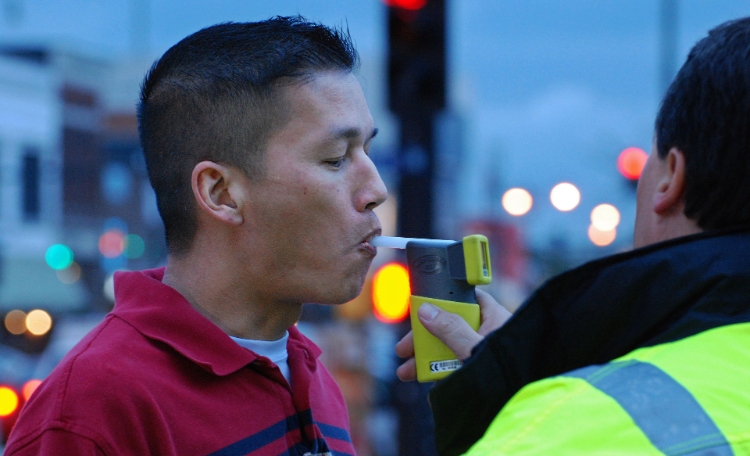
You Do Have the Right to Refuse
Let’s be clear from the start. You absolutely have the right to refuse a breathalyzer test. Police officers cannot legally compel you to take one against your will. You can say no. You can remain silent. You can ask for an attorney. These are your constitutional rights, and they apply even in a DUI investigation.
However, the police will inform you that refusing has consequences. This is where many people get confused. They think refusing protects their rights, but what they don’t realize is that refusing triggers automatic administrative penalties that happen without any criminal conviction or trial.
The Automatic Administrative License Suspension
When you refuse a breathalyzer test, Mississippi’s Department of Public Safety automatically suspends your driver’s license. This isn’t a criminal punishment. You haven’t been convicted of anything. You haven’t even been tried yet. But your license is suspended immediately upon refusal. This is called an administrative license suspension, and it’s separate from whatever happens in criminal court.
For a first refusal, your license is typically suspended for twelve months. That means you cannot legally drive for an entire year. No work driving. No driving to handle personal business. No exceptions. That’s twelve months without a valid driver’s license, which affects your job, your ability to get around, your independence, and your life.
If you’ve had a prior DUI conviction within the past ten years and you refuse a breathalyzer, the suspension extends to three years. Three years is a long time to live without a valid driver’s license.
Now, here’s where it gets more nuanced. You can request an administrative hearing to challenge the suspension. This is a separate proceeding from your criminal case, and it has different rules and different evidence standards. At this hearing, you can argue that the officer didn’t have reasonable suspicion to stop you in the first place, or that the refusal wasn’t lawful, or other procedural violations. Winning an administrative hearing might allow you to keep your driving privileges.
This is where a skilled DUI defense lawyer becomes valuable immediately. Many people don’t know they can request this hearing, and many who do request it aren’t prepared to present effective arguments. Having an attorney who understands administrative hearings can make the difference between losing your license for a year and maintaining limited driving privileges.
What Refusal Means in Criminal Court
Here’s the critical part that surprises many people. Your refusal to take a breathalyzer test is admissible evidence in your criminal trial. The prosecutor can tell the jury that you refused the test, and they can argue that an innocent person would have submitted to the test because they knew they weren’t impaired.
This seems backwards to many people. If you have the right to refuse, why can the prosecution use that refusal against you? The answer is that the right to refuse and the admissibility of the refusal are two different legal questions.
However, the flip side is that without a breathalyzer test result, the prosecution’s case relies entirely on other evidence. They have the officer’s observations of your driving, their observations during the traffic stop, performance on field sobriety tests if you took them, and their testimony about your appearance and behavior. None of this is as scientifically objective as a breathalyzer result.
This is actually one reason why refusing a breathalyzer can sometimes be strategically advantageous. Without a breathalyzer reading, prosecutors sometimes have a weaker case than they expected. An experienced DUI defense lawyer can challenge field sobriety tests, challenge officer observations, and argue that the evidence doesn’t meet the beyond-reasonable-doubt standard.
The Strategic Calculation
Whether refusing a breathalyzer is the right decision depends on specific circumstances, and this is something you should discuss with a DUI defense lawyer who understands Mississippi law. Some factors that matter include your actual level of impairment, whether you took field sobriety tests, the officer’s observations, and the strength of evidence against you.
If you’re genuinely not impaired, a breathalyzer will confirm that with a reading under 0.08%. That test result can actually help your defense. But if you are impaired, a breathalyzer will provide the prosecution with objective evidence of guilt.
Some people make the split-second decision to refuse because they’re afraid or because they heard somewhere that refusal is always the right move. That’s not necessarily true. Each situation is different. The right decision for one person might be wrong for another.
What’s certain is that you can refuse, but you should understand the consequences before doing so. Unfortunately, most people don’t have time to call an attorney during a traffic stop, and that’s why understanding these issues beforehand is valuable.
Administrative Hearing After Refusal
If you refused a breathalyzer, you have the right to request an administrative hearing within thirty days of your arrest. This hearing is held before the Department of Public Safety, not before a criminal court. At this hearing, you can challenge the suspension based on factors like whether the officer had legal grounds to stop you, whether they properly explained your rights, and whether you actually refused or whether the refusal wasn’t clear.
Winning an administrative hearing doesn’t erase your refusal or help your criminal case, but it can preserve your driving privileges, which matters enormously for your life and your job.
This is another area where Campbell Law helps clients navigate the complexities of DUI prosecution. We’ve handled administrative hearings throughout Northern Mississippi and understand the procedures and evidence standards. We know how to challenge officer testimony and procedural violations. We present arguments about your rights and the legality of the traffic stop.
Why Refusal Doesn't Protect You
Some people think that refusing a breathalyzer means there’s no evidence against them. That’s not how it works. Police can still arrest you based on their observations and field sobriety test results. You can still be charged with DUI. You can still be convicted. Refusing simply means there’s no breathalyzer evidence specifically, but plenty of other evidence can support a conviction.
In fact, in some situations, refusing can make things worse because now prosecutors argue that you refused because you knew you were impaired. It becomes a narrative problem that defense attorneys have to address.
Your Best Strategy Moving Forward
If you refused a breathalyzer and now face DUI charges in Northern Mississippi, your next step is contacting an experienced DUI defense lawyer immediately. We’ll review the circumstances of your traffic stop, your refusal, and the officer’s conduct. We’ll determine whether grounds exist to challenge the stop itself or the procedure followed after the stop.
We’ll explain your options regarding the administrative license suspension hearing, and we’ll represent you in that hearing if it serves your interests. We’ll build a criminal defense that accounts for the absence of breathalyzer evidence and attacks the other evidence prosecutors plan to use against you.
Don’t let uncertainty about your rights and options paralyze you into inaction. Call Campbell Law today at 662-537-4921 for a free, confidential consultation about your DUI case. Jason Campbell will explain what happened, what your refusal means for your case, and what legal strategies are available to you.
FREQUENTLY ASKED QUESTIONS
If I Refuse a Breathalyzer Will It Be Held Against Me in Court
Yes, your refusal is admissible evidence that prosecutors can present to a jury. They’ll argue that you refused because you knew you were impaired. However, without a breathalyzer reading, the prosecution’s case becomes more dependent on officer observations and field sobriety tests, which can be challenged. Whether the jury views your refusal as suspicious or as a reasonable exercise of your rights depends on how your attorney presents the evidence. This is why legal representation matters.
How Long Will My License Be Suspended If I Refuse a Breathalyzer
For a first refusal, your license is suspended for twelve months. If you’ve had a prior DUI conviction within ten years, the suspension extends to three years. However, you can request an administrative hearing within thirty days to challenge the suspension. Winning that hearing might allow you to keep driving. Campbell Law helps clients navigate these administrative hearings and preserve their driving privileges when possible.
Can I Still Be Convicted of DUI If I Refuse the Breathalyzer Test
Absolutely. Police can arrest you based on their observations of your driving and your behavior during the traffic stop. Field sobriety tests, if you performed them, can provide evidence. Your appearance, speech, and coordination all matter. The absence of a breathalyzer result doesn’t mean there’s no evidence against you. A DUI conviction can result from various evidence types beyond just breathalyzer readings.
What Should I Say to the Police If They Ask Me to Take a Breathalyzer
Be respectful and clear. You can say something like, “I exercise my right to refuse this test and I would like to speak with an attorney.” Don’t be argumentative or hostile. Don’t explain your reasons. Simply state your refusal clearly so there’s no confusion about what happened. Many people accidentally seem to agree while trying to explain themselves, so keep it simple and direct.
Does Refusing a Breathalyzer Always Mean I Should Have Refused
Not necessarily. Refusing has automatic consequences, but submitting to a test that shows you’re not impaired can actually help your defense. The decision depends on your specific circumstances. If you refused or are facing DUI charges after refusing, contact Campbell Law immediately for a free, confidential consultation. We’ll evaluate your situation and explain your options moving forward.
Related Blogs
What Happens When You Get a Second DUI in Mississippi
Can You Really Refuse a Breathalyzer Test and What Are the Consequences
Reckless Driving & Suspended License Charges in Northern Mississippi: Protect Your Record Now
License Suspension For DUI Arrest & Refusal
How Can I Get My Suspended License Restored in Mississippi?
